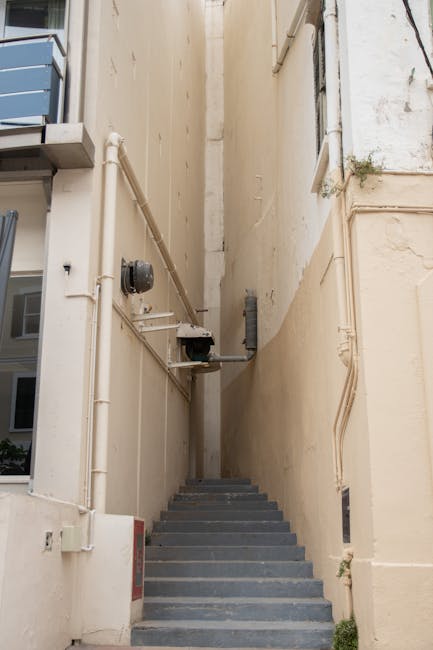
Kennington narrow stair access removals common problems
Posted on 22/06/2026
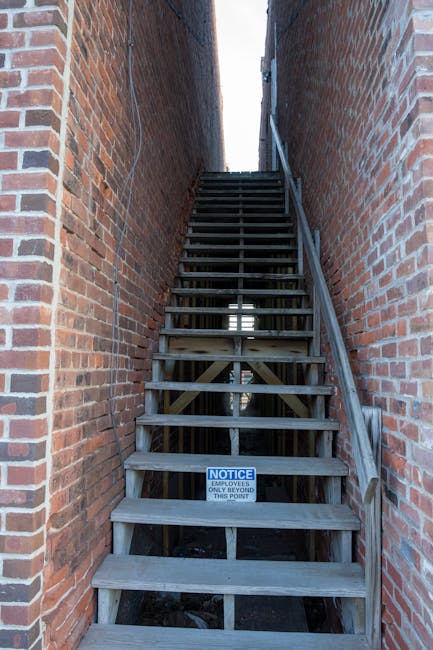
If you are planning a move in Kennington and your building has a tight staircase, awkward turns, or a landing that feels barely wider than a shoebox, you already know the worry. Kennington narrow stair access removals common problems usually show up before the first box is even lifted: bulky furniture, fragile edges, difficult angles, parking pressure, and the simple fact that old London properties were not designed around modern sofas. This guide breaks down what goes wrong, why it matters, and how to handle it without turning moving day into a scramble.
Truth be told, narrow stair access is one of those problems that looks manageable from the hallway and then becomes very real once the wardrobe reaches the first bend. The good news? With the right planning, it is usually predictable. And predictable is much easier to manage than surprise damage on a wet Tuesday morning.
Why Kennington narrow stair access removals common problems Matters
Kennington has plenty of attractive flats, converted houses, and older buildings with character. That character often comes with slender staircases, sharp turns, split-level layouts, and stairwells that make measuring feel more important than you expected. If you are moving in or out of a Victorian terrace, mansion block, or compact upper-floor flat, the access route can affect nearly every part of the move.
The biggest issue is not just whether a sofa fits. It is whether it can be moved safely, without damage to the item, the walls, the banister, or the people carrying it. A narrow staircase changes the whole pace of a move. Lifts may be unavailable. Carrying angles become tricky. Two movers might be enough for one job and not enough for another. You may also need to think about noise, neighbours, and timing, especially in busy parts of SE11.
That is why the common problems matter so much: they are rarely isolated. One small access issue can snowball into delays, extra handling, or last-minute storage decisions. If you are already weighing up a move in the area, it helps to read a few local pages first, including local perspectives on moving to Kennington and an insider's view of Kennington's lifestyle. Both give useful context on the kind of homes people are dealing with here.
Expert summary: Narrow stair access is less about brute strength and more about planning, measurements, protection, and choosing the right moving method for the building. The move goes better when everyone knows the tight spots before arrival.
How Kennington narrow stair access removals common problems Works
At a practical level, a narrow-stair move starts with the access route, not the van. You assess the entrance, hall width, staircase shape, landing space, ceiling height, and any turns or low beams. Then you compare those measurements against the furniture and packed boxes. It sounds basic. It is basic. But a surprising number of problems happen because that step gets rushed.
In a good removal process, the team identifies the heaviest or least flexible items first: wardrobes, mattresses, desks, dining tables, sofas, and anything with awkward dimensions. They decide whether the item can be taken down the stairs intact, partially dismantled, wrapped differently, or moved via an alternative route. Sometimes the right answer is straightforward. Sometimes it is, "No, let's not force that down there and regret it."
There is also a timing side to it. Narrow stairwells can become blocked quickly if boxes are stacked in the wrong place. If the building is occupied, movers may need to work in short bursts so residents can still get through. This is where a local understanding of building layouts really helps. A team that regularly handles narrow-access moves in Kennington will usually anticipate the pinch points before they cause trouble.
The process often includes:
- a pre-move survey or detailed phone assessment
- measurements of key furniture and access points
- protective wrapping for doors, banisters, and corners
- careful sequencing of the loading and unloading order
- on-the-spot decisions about dismantling or alternative handling
That last one is worth emphasising. No matter how careful the planning is, narrow stairs can still throw up awkward surprises. A rail you did not notice. A radiator in the corner. A box that looked light but feels oddly dense. Life, as ever, likes a little drama.
Key Benefits and Practical Advantages
When narrow stair access is handled properly, the benefits are very real. First, you reduce the risk of damage. That means fewer scuffed walls, fewer chipped frames, and fewer scratched floors. In older Kennington properties, which often have painted woodwork and tighter hallways, that protection matters more than people think.
Second, the move becomes more efficient. It may not be fast in the dramatic sense, but it is smoother. Fewer stops. Less backtracking. Less standing in a stairwell wondering how on earth the chest of drawers got this heavy. You save time by avoiding avoidable mistakes.
Third, the whole move feels calmer. It is amazing how much stress disappears once you know the large items have been checked, the route has been measured, and the right tools are ready. If you are using a professional team, the right service can make a noticeable difference, especially if your move also involves a flat, a house, or mixed access. Pages like flat removals in Kennington and house removals in Kennington show how access type can change the plan.
Practical advantages include:
- better protection for furniture and fixtures
- less chance of injuries during lifting and turning
- more accurate time estimates
- fewer surprises on moving day
- more sensible use of labour and vehicle space
And let's face it, if you are already juggling keys, utility calls, and a dozen cardboard boxes, anything that removes even one layer of pressure is worth it.
Who This Is For and When It Makes Sense
This kind of planning is useful for more people than you might expect. It is not only for people moving into small flats. It also matters for landlords, letting agents, homeowners, students, office movers, and anyone trying to shift bulky items through an older stairwell.
It makes particular sense if you are:
- moving into a top-floor flat with no lift
- leaving a building with a steep or narrow staircase
- moving large furniture like wardrobes, beds, or sofas
- relocating at short notice and need a quick, efficient plan
- handling a move where neighbours, shared entrances, or building rules matter
- trying to avoid damage in a property you rent or plan to sell
Students often underestimate this. A few boxes and a desk seem manageable until the stairwell narrows around a bend. Likewise, people moving into a long-established Kennington flat may find that the furniture that worked beautifully in a modern apartment just does not cooperate with the old staircase. For smaller loads, the right option can be a flexible vehicle and an experienced porter team, which is where man and van services in Kennington or man with a van support can be a sensible fit.
If you are between properties, or waiting on completion dates, storage can also take pressure off the access problem. You do not need to force every item through every stairwell in one go. Sometimes a split move is the sanest move.
Step-by-Step Guidance
Here is the cleanest way to approach a narrow-stair move in Kennington.
- Measure the access route. Start at the front door and work all the way to the room where the item is located. Measure width, height, turns, and landings. If possible, take photos too. Photos often reveal awkward corners faster than memory does.
- Measure the furniture properly. Do not just estimate. Measure the widest, tallest, and deepest points, including any handles, feet, or protruding edges.
- Identify items that may need dismantling. Beds, wardrobes, shelving units, and some tables are common candidates. Dismantling is not always essential, but it often saves time and protects the staircase.
- Check building access rules. If you live in a block, there may be quiet hours, lift reservations, entry codes, or concierge requirements. Ignore these at your peril.
- Prepare protection materials. Door covers, floor protection, blankets, straps, tape, and corner guards help prevent the kind of damage that is easy to avoid and annoying to repair.
- Plan the load order. Move the hardest items first while everyone is fresh. Do the awkward sofa before the smaller boxes start cluttering the hallway.
- Keep pathways clear. The less clutter in the stairwell, the better. A narrow route gets messy very quickly if it becomes a temporary storage area.
- Have a backup option. If an item does not fit, you need a fallback: dismantling, alternate carrying method, or storage. Not a panic.
A small but useful habit: stand where the mover will stand and look at the staircase from that angle. You will notice different things. The bannister suddenly matters. The door swing matters. Even the light fitting matters, which is slightly tedious but very real.
Expert Tips for Better Results
After enough moves, a few patterns become obvious. The first is that good measurements beat guesswork every single time. The second is that stair access problems are easier to manage when the team sees the space before moving day. Even a short video walk-through can help if an in-person visit is not possible.
Another useful tip is to deal with awkward items separately rather than bundling them with everything else. A large sofa, a mirror, and a boxed lamp should not all be treated the same way. They need different wrapping, different lifting, and often different timing. It sounds obvious, yet people regularly make the mistake of treating all furniture like generic cargo. It's not.
Here are a few practical ideas that make a real difference:
- remove loose shelves, drawers, or legs before moving a large item
- use thicker wrapping on corners and edges that are likely to catch
- reserve a little extra time for upper-floor access, especially in older buildings
- protect both the destination and the departure property, not just one side
- communicate clearly if you have fragile items, tight turns, or low ceilings
One more thing: keep essential items with you. If the stair route gets blocked for ten minutes because someone needs to pass through, you do not want your kettle, charger, or medications buried in the van. Practicality wins every time.
If you are comparing service options, it can help to review the wider service pages too, such as removal services in Kennington and the services overview, so you can match the level of support to the access challenge rather than just booking the cheapest-looking option.

Common Mistakes to Avoid
The most common mistake is underestimating the staircase. People stand at the bottom, glance up, and think, "Should be fine." Then the item reaches the landing and the problem starts. Measure first. Always.
Another mistake is not telling the movers about the worst access point. If the tricky part is the second bend or a very narrow front doorway, say so. Do not assume they will notice it on arrival and magically work around it. They might, but why gamble?
Other frequent mistakes include:
- packing boxes too heavy for safe stair carrying
- forgetting to protect the stairs and walls
- failing to check if large furniture can be dismantled
- leaving hallway clutter in place
- booking too little time for the move
- not confirming parking access for the van
Parking is worth a special mention. In central and inner London areas like Kennington, a good stair plan can still be undermined if the vehicle has to park too far away. Extra walking distance means extra handling, more fatigue, and more risk. It is the kind of detail people remember only after they have run up and down the street three times. Not ideal.
If you are watching the budget, be careful not to focus only on headline prices. Access complexity can affect the total cost, the crew size, and the time on site. A useful read here is how to avoid hidden fees in Kennington removals, because stair access issues are exactly the sort of thing that can create confusion if they were never discussed properly.
Tools, Resources and Recommendations
You do not need a warehouse full of gear to manage a narrow-stair move well, but a few tools make life easier. The essentials are simple and practical: measuring tape, furniture blankets, strong tape, straps, protective covers, and if possible, sliders or a dolly for the right items. The key is using the right tool for the job, not just grabbing whatever is nearest.
Recommended resources, in plain English:
- Room and stair measurements: keep a note on your phone with widths, heights, and landing space.
- Item inventory: list the bulky pieces first. The big stuff drives the plan.
- Photos and short videos: useful for awkward bends, low ceilings, and shared entrances.
- Packing supplies: strong boxes, tape, and suitable wrapping reduce crush damage in tight stairwells.
- Storage options: helpful if an item needs to be moved in stages or cannot fit safely on the day.
If you need packing support, it is often worth checking packing and boxes in Kennington and package and boxes options. Good packing is not glamorous, but it absolutely affects how smoothly furniture and boxes travel through a narrow stairwell.
For bigger or more specialised moves, you may also want to look at furniture removals in Kennington, especially if a sofa, wardrobe, or dining set is involved. And if timing is tight, same-day removals in Kennington can be useful when things need to happen quickly. Just make sure the access issue is clearly explained; last-minute does not mean last-minute planning.
Law, Compliance, Standards, or Best Practice
For removals with narrow stair access, the main compliance concerns are safety, property care, and clear communication. In the UK, reputable removal teams should work in a way that avoids unnecessary risk to people or property. That generally means sensible lifting practices, appropriate equipment, and a realistic assessment of whether an item can be carried safely.
There is also a duty of care around shared spaces. Hallways, communal stairwells, and entrances should not be left blocked longer than necessary. In apartment buildings, you may also need to follow site rules on bookings, lift use, and move timings. These are usually building-management rules rather than laws, but they still matter.
Best practice usually includes:
- clear pre-move communication about access restrictions
- risk-aware manual handling and team coordination
- protective coverings for vulnerable surfaces
- respect for neighbours and shared access
- appropriate insurance in case of accidental damage
If you want to understand broader standards around safety and responsibility, it is sensible to review the company's own policy pages too, such as insurance and safety and health and safety policy. Those pages help you see how the business approaches risk, which matters when stairs are tight and tempers can rise if a move gets delayed.
On a practical level, good compliance is less about paperwork for its own sake and more about not improvising dangerously. If a wardrobe clearly will not fit, forcing it through the stairwell is not clever. It is just a future repair bill with legs.
Options, Methods, or Comparison Table
Different moves need different methods. A small flat with a few boxes is not the same as a three-bedroom house with heavy furniture. Here is a simple comparison to help you judge the best approach.
| Method | Best for | Advantages | Limitations |
|---|---|---|---|
| Standard carry up/down stairs | Light to medium loads, clear stairwells | Simple, direct, usually quickest for small items | Risky for oversized or awkward furniture |
| Dismantling before move | Wardrobes, beds, shelving, tables | Reduces width and weight, easier on corners | Needs tools and time; reassembly must be managed |
| Extra crew support | Heavy items, long carries, tight turns | More control and safer handling | Can cost more and needs coordination |
| Staged move with storage | Complex access, timing gaps, renovation phases | Lower pressure on moving day | Needs more planning and maybe multiple trips |
For many Kennington properties, the best answer is a mix of these methods. One big item dismantled, several boxes moved normally, and a couple of awkward pieces handled with extra care. That hybrid approach is often the least dramatic, which honestly is usually what you want.
Case Study or Real-World Example
Picture a second-floor flat near Kennington with a narrow entrance hall and a staircase that turns sharply halfway up. The move includes a mattress, a wardrobe, a desk, kitchen boxes, and a couple of mirrors. At first glance, everything seems manageable. Then the wardrobe is measured properly and the problem appears: too wide for the turn unless it is dismantled.
Rather than forcing it, the moving plan changes. The wardrobe is partially disassembled, wrapped carefully, and carried in separate sections. The mattress goes first because it is flexible. Boxes follow while the stairwell is still clear. The mirrors are saved until the end, when fewer people are moving through the route. A bit of floor protection goes down at the bottom bend where shoes and corners tend to catch. Nothing glamorous. But it works.
The outcome is not remarkable in a headline sense. That is the point. No damage, no frantic lifting, no arguments in the hallway, no panicked decision-making. The move feels calm enough that the client can actually enjoy the last cup of tea in the old flat. Sometimes a successful move is just one that stays boring. I mean that in the best possible way.
That sort of planning is especially helpful if you are moving within the area or comparing property types. Pages such as SE11 small flat removals near Kennington Station and Brandon Estate estate moves are useful examples of how different Kennington move types create different access demands.
Practical Checklist
Use this checklist before moving day. It keeps the process grounded, especially if the staircase is tight and the clock is ticking.
- Measure stairs, landings, doors, and hallway widths
- Measure bulky furniture and note protruding parts
- Check whether large items can be dismantled
- Photograph the access route from both ends
- Confirm parking and loading arrangements
- Ask about building rules, lift bookings, or quiet hours
- Set aside blankets, tape, and protective covers
- Label fragile boxes clearly
- Keep hallways clear before the team arrives
- Decide which items will move first
- Have a backup plan for items that do not fit
- Make sure keys, entry codes, and contact numbers are ready
Quick takeaway: if the route is measured, the awkward furniture is identified early, and the access plan is shared clearly, most narrow-stair problems become manageable rather than chaotic.
For more about the people behind the service, you can also visit about us to see the company background, or browse pricing and quotes if you are comparing next steps. If you are ready to talk through a difficult staircase properly, contact the team and describe the access as honestly as you can. That really helps.
Conclusion
Kennington narrow stair access removals common problems are usually less about luck and more about preparation. Tight turns, small landings, bulky furniture, and shared entrances can all create friction, but none of that has to derail the move. Once you know where the risks are, you can plan around them in a calm, sensible way.
The main lesson is simple: measure early, share details clearly, and choose the right method for the building rather than hoping everything will "just fit." In a place like Kennington, where older homes and compact layouts are part of the charm, that kind of planning is not extra work. It is the work. And it pays off.
Get a free quote today and see how much you can save.
Even a difficult stairwell can be handled well when the job is approached thoughtfully, and that is usually the difference between a stressful moving day and one that feels properly under control. A bit of care goes a long way.