Kennington Man And Van for local house and office moves

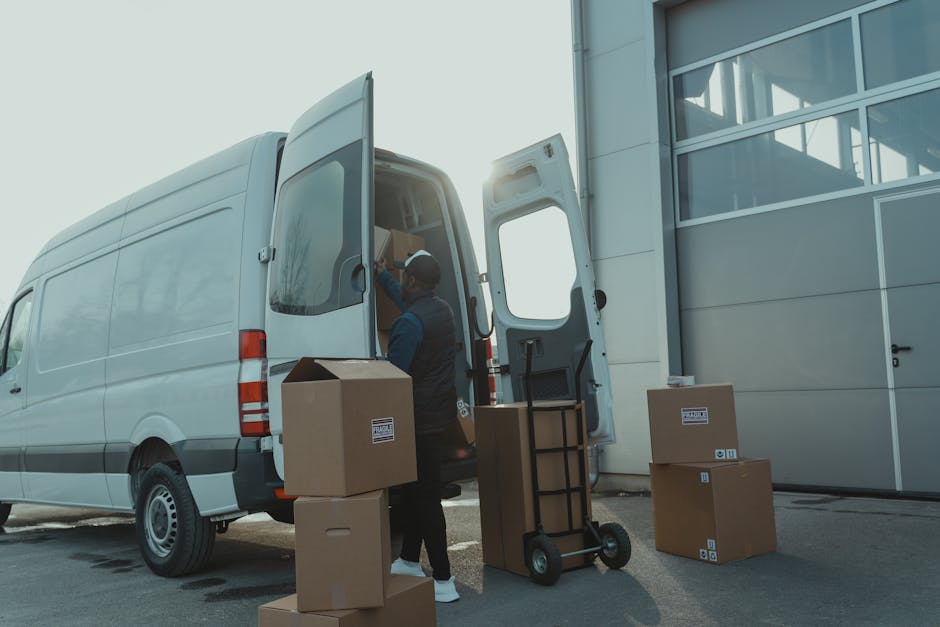
Kennington Man And Van provides a practical man and van service in Kennington for household moves, small office relocations and straightforward transport of furniture and boxed goods. The focus is on giving customers a flexible way to move items without needing a larger removal vehicle than the job requires. That can suit a single room, a studio flat, a partial property move or a collection of heavier pieces that need careful handling and sensible loading.
Our service is built around planned lifting, transport and unloading rather than rushed, one-size-fits-all moving. Customers can use it for a full or partial move, and for journeys where the load is too much for a car but does not call for a full-scale removal operation. For a broader overview of available work, see our removal services, which set out the main moving options we support. The aim is to keep the process clear, efficient and suitable to the actual contents being moved.
If you are comparing move sizes, think about access, item weight and how many trips may be needed. Small, medium and mixed loads can all work well when the right vehicle and loading plan are used, and that is often where this kind of service is most useful. Request a quotation when you are ready to discuss the move in more detail.
House moves and everyday removals
House moves often need a balance between flexibility and organisation. Our work can include furniture, boxes, appliances and the other usual items that make up a home relocation. The main advantage of a man and van arrangement is that it can be adapted to the actual load rather than tied to a fixed and often oversized vehicle setup. For customers planning a domestic move, our home moves page gives a useful sense of how the service fits standard household relocation work.
For many households, the most helpful approach is to separate what is definitely travelling from what can be left behind, sold separately or moved later. A careful start makes the rest of the day easier, especially where fragile items, dismantled furniture or awkward corners and stairways are involved. If you are weighing up the options, the house removals page is a sensible next step for understanding domestic moving work in a bit more detail. Take a moment to compare what needs loading before asking for a price.
What the moving day usually covers
We can help with the practical parts of moving day, including loading, transport and unloading at the new address. Depending on the items involved, that may also mean helping to position furniture in the right rooms so the main pieces are placed where they belong before the team leaves. When the load is more mixed, our removals page provides another route into the service range and gives a broader commercial overview of moving support.
Furniture, larger items and part-load transport

Many customers do not need a whole-property move. They may simply need a sofa taken to another address, a wardrobe collected from one location and delivered to another, or several pieces moved together after a clear-out or refit. The value of a man and van service is that it can be scaled around that sort of job. When the priority is a particular item rather than the entire contents of a building, a focused move is often more convenient and easier to arrange.
For furniture-led jobs, access and handling matter as much as distance. Bulky items may need to be measured, dismantled or moved in stages to avoid damage to walls, doors and the furniture itself. Our furniture pick-up page is relevant when the job is centred on collecting or delivering individual pieces rather than moving a complete household. If you are preparing a request, it helps to note the size, weight and condition of the items involved. Clear item details support a more accurate quotation.
- Single items such as sofas, beds, tables or wardrobes
- Part-loads from homes, storage units or sales pickups
- Mixed furniture and box moves where a full van would be unnecessary
- Careful transport for items that need steady handling rather than speed
Packing support and organised loading
Some moves go more smoothly when packing is handled in an orderly way before loading begins. That may mean using consistent box sizes where possible, protecting delicate items and grouping contents by room or priority. Our packing and unpacking services page is useful if you want to understand how that support fits around transport. Packing is not only about speed; it also helps reduce shifting in transit and makes unloading more straightforward at the destination.
Good packing can also reduce the risk of breakage when items are placed into a van alongside furniture and larger boxes. It is sensible to separate everyday essentials from items that can wait until later, and to keep fragile belongings clearly identified. If you have a list of what needs moving, it becomes easier to judge how much space the load will take and whether a single journey is likely to be enough. That is one reason a well-prepared quotation often starts with a simple description of the contents.
When packing assistance is useful
Packing help may be useful before a house move, after a declutter or when several awkward objects must be moved together without becoming tangled or crushed. It can also be helpful for customers who want a neater loading sequence, especially where items vary in shape or weight. The more organised the load, the easier it is to place items safely and unload them in the right order. Ask for a quotation when you know whether you need transport alone or transport alongside packing support.
Office relocations and commercial moving work
Kennington Man And Van also supports business moves where the load is smaller than a full warehouse relocation but still needs careful coordination. That can include office desks, chairs, filing, boxed supplies, IT equipment and other items that should be moved in an orderly sequence. For a dedicated business overview, see our office relocation services, which are aimed at practical workplace moving needs rather than domestic-only jobs.
Commercial moving often benefits from a tidy loading plan because offices and workspaces may contain items of different shapes and sensitivities. Paper records, monitors, small appliances and meeting room furniture are best handled with attention to grouping and protection. Our commercial moves page is another useful route for customers who need moving support for a workplace or other business setting. It is sensible to plan access, item order and any special handling before the day itself.
Where a business wants to move in stages, a van-based service can be especially useful because it can support smaller or phased loads without requiring a large removal operation. That may suit a growing business, a short move between premises or an office that needs to shift equipment without interrupting the whole workplace at once. For a move that fits your schedule, send through the main details and request a quotation.
Planning the move and arranging the right quotation

A sensible quotation begins with the main facts: what is being moved, where it is going and whether there are any access issues that could affect loading or unloading. Stairs, narrow hallways, parking constraints and awkward entrances can all shape the amount of time and effort a job may require. Our pricing and quotes page is the clearest place to start if you want to understand how moving requests are usually approached and what information is useful.
When preparing an enquiry, it helps to give an accurate picture of the contents rather than a rough guess. If you are unsure whether a particular object is suitable for this type of service, list it anyway and describe it briefly. A quotation is easier to prepare when the load is realistic and the route is clear. You do not need to over-explain every detail, but practical facts such as item count, floor level and destination type make a difference.
Information that makes quotes easier to prepare
Useful details usually include a general list of items, the pickup and drop-off postcodes or areas, the move date if known, and whether help is needed with loading, transport, unloading or all three. If there are fragile pieces, heavy equipment or disassembly requirements, mention those too. That allows the move to be assessed against the right vehicle size and the likely handling involved. A well-described job is easier to price fairly and to organise properly.
Insurance, safety and careful handling
Moving furniture and household goods is not only about transport; it is also about handling items with care from start to finish. Our insurance and safety page explains the important safeguards we make available around safe working practice and sensible handling. That matters whenever heavy objects, glass, electronics or awkward shapes are being carried through homes, offices or communal spaces.
Safety also depends on the route inside the property. Clear pathways, suitable lifting positions and sensible stacking can reduce the chance of knocks and scrapes. For that reason, some jobs are easier when the main pieces are grouped in advance and the path from the room to the van is left clear. Orderly access supports safe handling and helps the moving process stay controlled rather than rushed. Customers do not need to overprepare, but a little organisation is often worthwhile.
When handling more delicate loads, it is better to move steadily than quickly. Items that are light but fragile may need different treatment from bulky furniture, and some things are best loaded separately rather than stacked tightly with other goods. If your move includes belongings that need extra attention, make that clear in the quotation request so the plan can reflect the load properly.
Household moves, storage transfers and collections
Some customers need more than a direct home-to-home move. They may be taking items out of storage, dropping off furniture bought elsewhere or collecting a mixed load from more than one location. A van-based service can be useful in those cases because it can adapt to a varied route without requiring a larger removal arrangement. For a broader view of move formats, our man and van removals page fits jobs that combine transport with typical removal tasks.
Storage transfers often work best when the load has been grouped before collection, especially if boxes or furniture will later be unloaded into different rooms or returned to use in stages. It also helps to know whether anything is currently wrapped, dismantled or stacked in a way that may affect loading order. Our movers page is another useful reference point for customers comparing general moving support. Well grouped loads are usually easier to move, load and unload efficiently.
Where collections involve purchased goods, inherited items or things being moved from one address to another after a delay, it is worth checking whether any item needs extra protection or specialist packing before transit. That does not necessarily mean a different service, but it may affect the time needed and the way the job is arranged. Ask for a quotation once the collection plan is clear.
Vehicle options and practical transport choices

Choosing the right transport matters because not every move calls for the same vehicle size or loading style. Some jobs are better suited to a compact van, while others need more room for furniture, boxes and protective spacing. Our moving van page suits customers who want to understand the kind of transport commonly used for this type of work. The key point is that the vehicle should fit the actual load, not an imagined average move.
There are also jobs where customers want a clear distinction between the transport itself and the overall moving service. In those cases, the man with van page may be helpful, because it reflects the flexible, labour-and-transport style of booking many people look for. It is a straightforward way to approach a move that needs loading help alongside road transport, especially where the load is moderate rather than extensive. Choosing the right van can reduce wasted journeys and unnecessary complexity.
If you are not sure which page best matches your move, think first about what is being carried and whether the work is domestic, commercial or a single-item collection. From there, the quotation process becomes much simpler because the vehicle choice and labour requirements can be matched to the job. That makes the service more efficient and easier to plan in a sensible order.
About Kennington
Kennington is a district in south London, close to the River Thames and immediately south of the historic heart of the capital. It sits within the London Borough of Lambeth and has long been shaped by its position on routes linking central London with the south bank and the wider city beyond. Kennington Park is one of its best-known open spaces, with origins in the nineteenth century and a layout that reflects successive changes in how London’s open ground was used and managed. The area is also notable for its strong built character: terraces, mansion blocks and later housing sit alongside civic and transport landmarks, creating a dense urban landscape with a mix of older and newer fabric. The district has connections with political history, public life and recreation, and it lies within easy reach of several recognisable parts of inner London, including Lambeth, Vauxhall and Waterloo. Local streets, gardens and public spaces give the area a varied feel despite its compactness, while the proximity of major roads and Underground links has made it an established residential and working neighbourhood for many decades. Kennington Oval, the famous cricket ground, is another significant landmark nearby, adding a sporting identity to an area already known for its historic setting and urban continuity.
Flexible removals for different household sizes
Not every move needs the same level of labour or the same overall plan. A flat move, a room move, a partial relocation or a furniture transfer can all sit comfortably within the same flexible service if the details are clear. Our house movers page is a helpful fit where the work is mainly domestic and the customer wants a clear route through the available moving support. The aim is to match the work to the size and shape of the actual load.
We also support broader moving requests where the contents are mixed or the job includes several types of item. That can mean boxes, furniture, household equipment and the occasional awkward object that needs careful planning. For those situations, the removal company page offers another straightforward way to understand the range of moving support available. It is sensible to think about the load as a whole rather than only about one large item, because the combination of contents often affects the quotation.
If the move includes anything unusual, such as a long carry, shared access or time-sensitive loading, mention it early. Simple, accurate information usually leads to a more suitable plan than guesswork. Once you know the broad outline, you can ask for a quotation with confidence.
Final moving details and how to get started

The last stage of a move is often where the details matter most. Once the items have been transported, unloading into the right rooms and placing furniture sensibly can make the destination easier to settle into. Our man with van removal page is relevant where customers want a clear view of this type of combined carrying and transport work. It reflects the practical side of getting goods from one address to another without unnecessary complication.
It can also help to think about what should happen to any items that are not travelling. Some may be sold, stored or passed on separately, while others may need to stay behind until a later date. That is part of why this kind of service works well for gradual moves as well as single-day relocations. If you want to review the widest range of moving options in one place, the removal companies page is another useful destination within the site.
When you are ready, send the main load details, the collection and delivery points, and any access notes that matter. We can then look at the move in a sensible way and provide a quotation that reflects the job rather than a generic estimate. Request a quotation today if you would like to get the process underway.