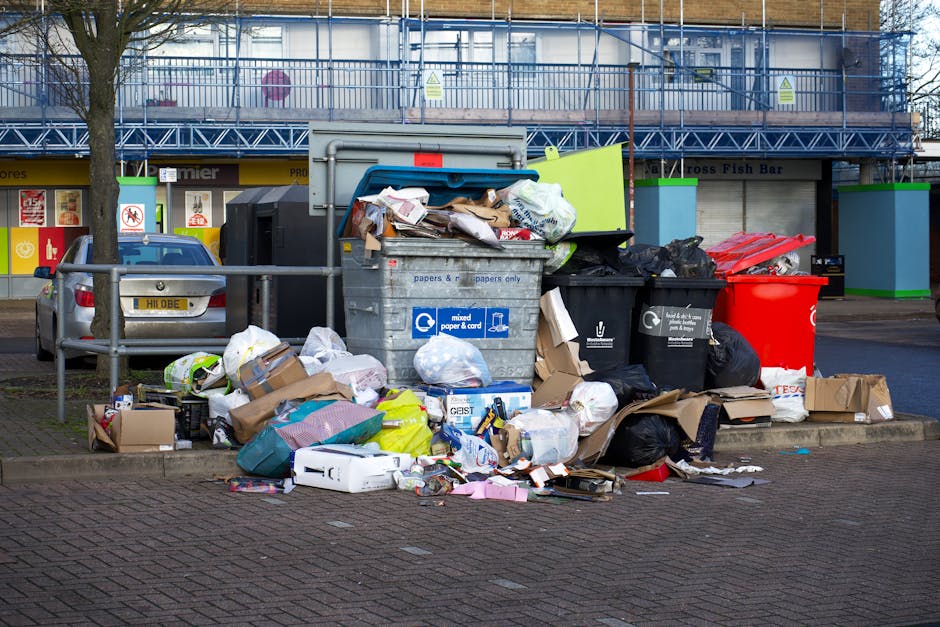
Lambeth safe disposal rules for Kennington removals and waste
If you are planning a move in Kennington, the rubbish side of the job can become the part that bites you later. Boxes are easy. Sofas, broken shelves, paint tins, mixed junk from a loft or office clear-out? Not so simple. Understanding Lambeth safe disposal rules for Kennington removals and waste helps you stay organised, avoid fly-tipping problems, and make sure anything leaving the property is handled properly.
This guide breaks the process down in plain English. You will see what safe disposal really means, how it works during a removal, what to separate, what to avoid, and how to keep a move smooth whether you are clearing a flat, a house, or a small business unit. Truth be told, the best waste plan is usually the one you set before the van arrives, not after you are standing in the hallway surrounded by random bits of furniture.
For a move that needs more than just loading and driving, it can help to look at removal services early and make waste handling part of the plan. If you are moving a home, home moves support can make the whole thing less chaotic, and for businesses, commercial moves are often the best place to build in disposal planning from the start.
Table of Contents
- Why Lambeth safe disposal rules for Kennington removals and waste Matters
- How Lambeth safe disposal rules for Kennington removals and waste Works
- Key Benefits and Practical Advantages
- Who This Is For and When It Makes Sense
- Step-by-Step Guidance
- Expert Tips for Better Results
- Common Mistakes to Avoid
- Tools, Resources and Recommendations
- Law, Compliance, Standards, or Best Practice
- Options, Methods, or Comparison Table
- Case Study or Real-World Example
- Practical Checklist
- Conclusion
- Frequently Asked Questions
Why Lambeth safe disposal rules for Kennington removals and waste Matters
Safe disposal matters because moving day creates a strange mix of pressure, clutter, and deadlines. A pile of old furniture looks harmless until it is blocking the front path, sitting beside a shared entrance, or loaded into the wrong vehicle. In Kennington, where many homes have tight stairwells, basement access, and limited kerb space, waste can become a real logistics issue very quickly.
There is also the simple matter of responsibility. If rubbish is left on the pavement, dumped near the estate bin store, or handed over without proper handling, it can create nuisance, attract complaints, and possibly lead to enforcement action. Nobody wants to finish a move and then have to deal with a messy follow-up. Nobody. It is the sort of headache that lingers.
Safe disposal also protects the rest of your move. Heavy or awkward waste left until the last minute slows loading, makes lifting riskier, and increases the chance of damage to walls, floors, and doors. For many households, the hidden benefit is peace of mind: once the unwanted items are sorted, the move feels like it is actually moving forward.
Practical summary: treat waste as part of the removal plan, not as an afterthought. The cleaner the separation, the easier it is to stay compliant, reduce stress, and avoid unnecessary lifting or confusion on the day.
How Lambeth safe disposal rules for Kennington removals and waste Works
In practice, the process usually starts with sorting. Before anything is moved, decide what is being kept, donated, reused, recycled, or disposed of. That first decision saves time later. It also reduces the chance of mixing general household waste with restricted items such as electricals, paint, batteries, or sharp materials.
For removals in Kennington, a sensible waste plan often has three parts:
- Re-use items that are still usable, such as decent furniture or unopened household goods.
- Recycle materials that can be separated cleanly, like cardboard, some metals, and certain electrical items.
- Dispose responsibly of anything damaged, contaminated, or unsuitable for passing on.
That sounds straightforward, but the details matter. For example, a wardrobe with a missing door might still be suitable for dismantling and recycling, while a stained mattress usually needs a different disposal route. A box of mixed loose waste is far harder to deal with than one that has been sorted into clear categories.
If you are using a man and van style service, it helps to speak about waste in advance rather than on the doorstep. A service such as man and van can be practical for smaller loads, while a larger clearance may suit movers or a dedicated van option like removal van. The right setup depends on volume, access, and how much sorting is still needed.
There is also a timing issue. If waste is removed too early, you may need to store it temporarily and create another handling problem. If it is left too late, it can block packing, delay loading, or force rushed decisions. The sweet spot is usually just before the final moving load, once you know what is definitely leaving.
Key Benefits and Practical Advantages
Following safe disposal rules properly has benefits that are bigger than most people expect. Yes, it keeps things tidy. But it also improves the whole moving experience in ways that are easy to overlook when you are busy.
- Less stress on moving day: clear decisions reduce last-minute panic.
- Lower handling risk: fewer random objects mean fewer awkward lifts and fewer injuries.
- Better vehicle use: sorted items are easier to stack and load efficiently.
- Cleaner handover: the old property is easier to leave in acceptable condition.
- Improved recycling: proper separation makes reuse and recycling much more realistic.
- Fewer disputes: everyone knows what is being taken, kept, or thrown away.
There is a quiet benefit too: a good disposal plan makes your move feel more intentional. You are not simply dragging everything from one place to another. You are choosing what deserves space in your next home or office. That can be oddly satisfying, especially when you realise half a cupboard was only ever holding things you forgot you owned.
If part of your aim is to reduce waste overall, take a look at the company's approach to recycling and sustainability. It is a useful reminder that disposal is not only about getting rid of stuff; it is also about doing it with care.
Who This Is For and When It Makes Sense
This topic matters to a wide range of people, not just anyone moving a full house. In fact, the need for safe disposal often shows up in smaller, messier jobs.
- House movers clearing unwanted furniture, broken appliances, and old boxes.
- Tenants who need to leave a flat neat and avoid leaving junk behind.
- Landlords and letting agents managing end-of-tenancy clear-outs.
- Small businesses removing old desks, packaging, or archive materials.
- Office teams planning a relocation or downsizing exercise.
- Anyone with mixed waste from a renovation, declutter, or probate clearance.
It makes sense whenever there is more than one waste stream. One bag of general rubbish is one thing. A mix of furniture, broken household items, cardboard, old cables, and a couple of mystery boxes from the back of a cupboard? That is where things get complicated.
If you need help with a move that includes a substantial clear-out, the route you choose matters. Some people only need man with van support for transport. Others need a more complete service with packing help, loading support, and disposal planning through packing and unpacking services.
Step-by-Step Guidance
Here is a practical way to manage disposal without overcomplicating it. Keep it calm, keep it sorted, and do not let the last pile become the loudest one.
- Walk through the property room by room. Make three piles: keep, remove, and dispose.
- Identify restricted items. Look for batteries, paint, chemicals, gas canisters, aerosols, and damaged electronics.
- Separate reusable items. If furniture or household goods still have life in them, keep them apart from the waste pile.
- Break down bulky items safely. Dismantle what can be dismantled, but only if it is structurally safe to do so.
- Bag and box loose waste. Mixed loose rubbish is harder to manage and more likely to spill during transport.
- Confirm vehicle space. Check whether the load suits a standard van, a larger moving vehicle, or a dedicated pickup.
- Schedule disposal at the right point in the move. Usually this is after final sorting but before the last clean handover.
- Inspect the emptied rooms. Do a final sweep for forgotten drawers, shelves, or loft corners. You will always find one last cable, somehow.
One useful rule of thumb: if an item feels awkward, heavy, sharp, dirty, or chemically risky, do not treat it like ordinary rubbish. Pause and sort it properly. That one pause can save a lot of trouble.
For bigger jobs, many people prefer to work with a removal provider that can coordinate both transport and disposal. A local removal company can help you decide what is practical, while removal services are often better when you want the move and the waste plan handled in one go.
Expert Tips for Better Results
A few small habits make a big difference. To be fair, these are the kinds of things that sound obvious after the move is finished, but at the time they save the day.
- Start with the awkward items first. Anything bulky, dirty, or hard to classify should be dealt with early.
- Keep fast-moving rubbish separate from keep piles. If a room is half-packed, the wrong item can easily end up in the wrong box.
- Use clear labels. Even a handwritten note like "dispose", "recycle", or "keep" prevents confusion.
- Photograph valuable or sensitive items. This helps if you need to prove what was kept, removed, or damaged.
- Check access before the van arrives. Narrow staircases, shared entrances, and parking restrictions can all affect how waste is loaded.
- Leave time for a final sort. Rushing the last 20 minutes is where mistakes happen.
Here is a practical little truth: a tidy disposal plan usually reflects a tidy mind, and even if your day feels chaotic, you can still build that structure. It does not have to be perfect. It just has to be clear enough to work.
If you are weighing up whether to use a smaller or larger vehicle, pages like moving van and moving truck can help frame the decision. More volume does not always mean more efficiency, by the way. It depends on what you are moving and how quickly the load can be cleared.
Common Mistakes to Avoid
Most problems around disposal are not dramatic. They are small, repeatable, and very human. A rushed decision here, a forgotten item there, and suddenly the clean move becomes a scramble.
- Leaving sorting until the moving morning. That almost always creates confusion.
- Mixing waste with items to keep. Once it is in a black bag or cardboard box, mistakes happen fast.
- Ignoring restricted items. Batteries, paints, and certain electricals need careful handling.
- Underestimating volume. Small bits of waste add up quickly, especially during decluttering.
- Forgetting shared-space rules. Flats, estates, and managed buildings often have their own practical constraints.
- Assuming all furniture can be dumped together. It cannot. Not safely, anyway.
The sneakiest mistake is probably this one: thinking "we will sort it later." Later has a habit of disappearing. By the time you are standing near an empty hallway with one remaining chair and a box of cables, it is already too late to be relaxed about it.
Tools, Resources and Recommendations
You do not need a warehouse full of equipment to manage disposal well. A few basic tools make the job much easier and much safer.
- Strong bin bags for loose general waste.
- Marker pens and labels for sorting keep/dispose/recycle piles.
- Gloves for handling sharp, dusty, or dirty items.
- Basic tools for dismantling furniture if it is safe to do so.
- Sturdy boxes for cables, small electricals, and reusable household bits.
- Blankets or wraps to prevent mess when carrying awkward items through the property.
Recommendations should stay practical. Use the service level that matches the job, not the one that sounds biggest. A small flat clear-out may be best served by removals near me style support if you want something local and simple, while larger house moves may need house removals or even house movers if there are stairs, bulky items, or heavy lifting involved.
For office or shop clearances, the same logic applies. Packaging, old furniture, and archived materials need separate handling, and sometimes a bigger vehicle or more structured loading plan is the sensible choice. That is where office removals can be genuinely helpful.
Law, Compliance, Standards, or Best Practice
It is worth saying carefully: disposal rules can involve local council expectations, waste carrier obligations, property management rules, and general UK environmental standards. The exact obligations depend on the item type, who is transporting it, and where it is going. So the safest approach is to treat anything questionable as needing special handling until you know otherwise.
Best practice usually includes:
- Not leaving items on pavements or communal land unless they are being collected through a proper arrangement.
- Keeping hazardous or restricted items separate from general removals waste.
- Using a responsible removal provider that understands safe loading and disposal expectations.
- Protecting communal areas so waste does not damage stairwells, lifts, or entrances.
- Recording what has been removed where clarity matters for tenants, landlords, or businesses.
There is no magic shortcut here. If an item could contaminate a load, leak, injure someone, or cause a complaint, it needs proper attention. That is the plain version, and it is usually the right one.
You can also look at the company's own health and safety policy and insurance and safety information for a sense of how a careful operator approaches risk. Those pages matter because disposal is not just about tidiness; it is about keeping people and property safe during the move.
Options, Methods, or Comparison Table
There is more than one way to handle removals waste. The best choice depends on volume, access, item type, and how much time you have.
| Method | Best for | Pros | Watch out for |
|---|---|---|---|
| Self-sorting and household disposal | Small, simple clear-outs | Flexible, low overhead, good for sorting at your own pace | Time-consuming, easy to misclassify items, can be physically tiring |
| Van-based removal support | Mixed domestic loads and medium clear-outs | Good balance of speed and practicality, easier for tight streets | Requires clear instructions and tidy separation |
| Full removal service | Homes, offices, and bulky moves with disposal needs | Less stress, more coordination, better for complex access or heavy items | Costs more than DIY and needs advance planning |
| Furniture-focused collection | Bulky items, single items, or partial clear-outs | Handy when only certain items need removing | Not ideal for mixed waste or very large volumes |
In many Kennington moves, the right answer is a hybrid. A few items are rehomed, some are recycled, and the rest are removed with the main load. That mix is normal. No need to make it more complicated than it is.
If you are looking specifically at a single item or small amount of furniture, the page for furniture pick-up is a sensible place to start.
Case Study or Real-World Example
Here is a realistic example from a typical Kennington flat move. A tenant was leaving a first-floor property with no lift, a narrow stairwell, and a deadline on the keys. The flat had normal household contents, but also a broken bedside table, two old chairs, a bag of mixed cables, and a small pile of packaging from flat-pack furniture.
Instead of treating everything as one load, the move was split into categories. The cardboard went with recycling, the usable items were kept separate for the new flat, and the damaged furniture was flagged for safe disposal. That meant the loading team could move efficiently without stopping every five minutes to ask, "Is this going or staying?" which, frankly, is one of those questions that can destroy momentum.
The result was simple: less clutter, faster loading, and a cleaner empty property at the end. The tenant avoided having random waste left in the hallway, and the removal day felt much calmer than it would have otherwise. A small detail, but a meaningful one.
In a larger setting, the same approach works for offices. A business moving out of a small workspace may have office chairs, old monitors, archived papers, and packaging from fittings. In that case, the safest approach is to sort everything before the crew starts carrying, then match the load to the right transport through office relocation services or a wider move plan.
Practical Checklist
Use this checklist before the van arrives. It is simple on purpose.
- Have you separated keep, donate, recycle, and dispose items?
- Have you identified batteries, paint, chemicals, and electricals?
- Have you measured or at least estimated bulky furniture?
- Have you checked access, parking, stairs, and lift use?
- Have you bagged or boxed loose waste securely?
- Have you told the removal team what needs special handling?
- Have you planned what stays with you and what leaves the property?
- Have you left enough time for a final sweep of cupboards, lofts, and under-bed storage?
- Have you confirmed payment and any service expectations in advance?
If you are not sure which vehicle or removal setup is right, it may help to compare removals with the more flexible man and van removals approach. The right choice usually comes down to volume, access, and how much heavy lifting is involved.
Get a free quote today and see how much you can save.
Conclusion
Lambeth safe disposal rules for Kennington removals and waste are really about control, clarity, and common sense. When you sort items properly, separate anything risky, and plan the disposal part of the move in advance, everything becomes easier. You protect the property, reduce the chance of problems, and make the day far less frantic than it needs to be.
Whether you are moving a flat, a family home, or an office, the same principle holds: do the sorting early, ask the right questions, and use the right support for the job. That way, the final room feels clean, the van is loaded properly, and the last look back at the old place is a calm one. And honestly, that calm finish matters more than people expect.
Frequently Asked Questions
What does safe disposal mean during a Kennington removal?
It means sorting waste so it can be handled responsibly, with hazardous, bulky, reusable, and recyclable items separated before loading or collection.
Do I need to sort rubbish before the removal team arrives?
Yes, ideally. Sorting beforehand saves time, reduces mistakes, and helps the team load items safely without guessing what should stay or go.
Can removal teams take furniture and waste together?
Often they can, but it works best when the items are clearly identified in advance. Mixed loads are manageable, but mixed and unsorted loads are where delays happen.
What items usually need special handling?
Batteries, paint, chemicals, gas canisters, aerosols, sharp materials, and many electrical items should be treated carefully and not mixed with general household waste.
Is it better to use a van or a full removal service for waste?
That depends on the volume and complexity of the job. A smaller load may suit a van-based option, while a bigger home or office clear-out usually benefits from a fuller service.
What should I do with reusable furniture?
Keep it separate from the disposal pile. If the furniture is still usable, it can often be moved, stored, donated, or collected separately instead of being thrown away.
How do I avoid fly-tipping problems?
Use a responsible removal arrangement, do not leave items on the street, and make sure waste is handed over only to a suitable collection or disposal process.
What if I am moving from a flat with difficult access?
Tell the removal provider in advance. Narrow stairs, shared entrances, and parking limits can affect how waste is handled, so access planning matters more than people think.
Can office waste be managed in the same way as household waste?
Broadly yes, but offices often have more electronics, paperwork, and furniture. That means more sorting and a bit more care around confidentiality and recycling.
How far ahead should I plan disposal for a move?
As early as you can. Even a few days of planning makes a big difference, especially if you need to separate items, dismantle furniture, or arrange a larger vehicle.
What is the biggest mistake people make with removals waste?
The biggest mistake is leaving everything until the last minute. Once the boxes start stacking up, rushed decisions lead to confusion, wasted space, and avoidable stress.
Where can I find more help with a local move?
You can explore the company's broader moving pages, including removals van, house removalists, and about us for more background on the service approach.